



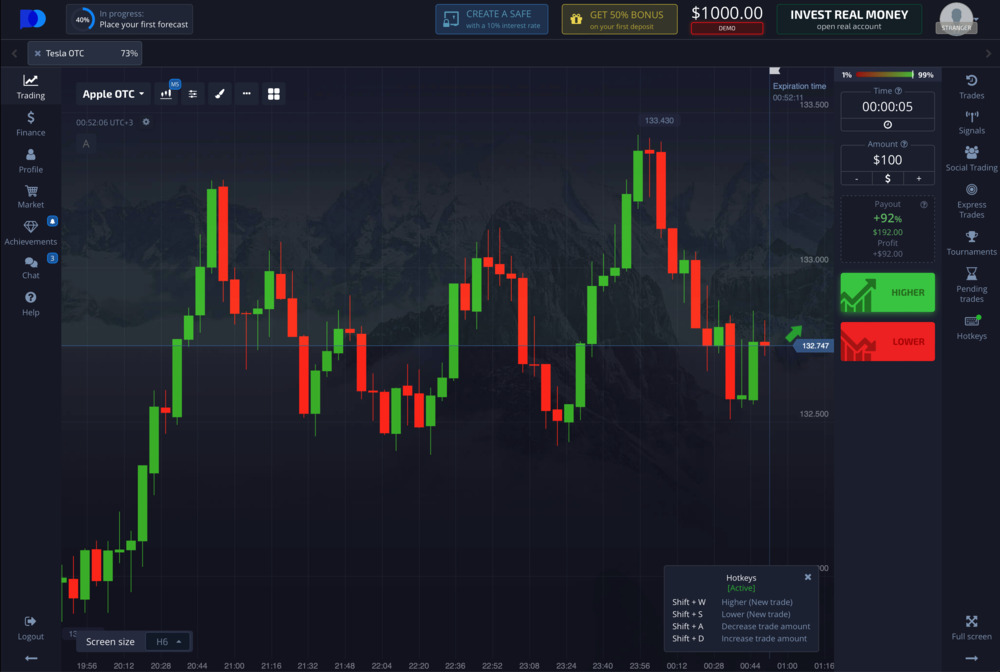
In the rapidly evolving world of online trading, Pocket Option Traders Pocket Option traders have carved out a significant niche for themselves. This platform has gained immense popularity due to its user-friendly interface, a wide variety of trading options, and an impressive educational section that caters to traders of all experience levels. In this article, we will delve into the essential aspects of being a successful trader on Pocket Option, discussing various strategies, tools, and techniques that can help you navigate this dynamic market.
The Rise of Pocket Option Traders
Pocket Option is one of the leading platforms in the realm of binary options trading. Available since 2017, it has received accolades for its innovative approach and strong emphasis on customer satisfaction. The surge in interest in binary options trading can be attributed to several factors, including the accessibility of trading platforms and the potential for high returns. However, such opportunities are often accompanied by significant risks, making it essential for traders to have a proper understanding of the market.
Understanding Binary Options Trading
Before diving into specific strategies, it’s crucial to understand what binary options trading entails. In essence, binary options are financial instruments that allow traders to speculate on the price movement of various assets. Unlike traditional trading, where profits are made based on price differences, binary options offer fixed returns based on whether the trader predicts correctly. Traders select an asset, determine the expiration time, and then predict whether the price will rise or fall, with outcomes typically structured as ‘win’ or ‘lose.’
Key Features of Pocket Option
Pocket Option sets itself apart from competitors through several key features:
- User-friendly Interface: The platform is designed to be accessible to traders of all skill levels, featuring intuitive navigation and easy-to-read charts.
- Wide Range of Assets: Traders have access to an extensive list of assets, including stocks, currencies, commodities, and cryptocurrencies.
- Educational Resources: Pocket Option offers a wealth of educational materials, including tutorials, webinars, and articles, helping traders to enhance their skills.
- Community Support: The platform boasts a robust community of traders where users can share insights and strategies, fostering a collaborative environment.
Strategies for Successful Trading
Now that we have a basic understanding of what Pocket Option offers, let’s explore some trading strategies that can enhance your chances of success.

1. The Trend-Following Strategy
The trend-following strategy is one of the most popular approaches among Pocket Option traders. This strategy relies on identifying the direction of the market and placing trades in line with that trend. By analyzing charts and using indicators such as Moving Averages, traders can confirm upward or downward trends and make informed decisions.
2. The Range Trading Strategy
Range trading is another effective strategy where traders focus on identifying price levels where an asset tends to oscillate. By placing trades based on support and resistance levels, traders can maximize profits. It’s essential to use technical analysis tools to determine these levels accurately.
3. The News Trading Strategy
The news trading strategy takes advantage of market volatility caused by economic events or news releases. Traders utilize an economic calendar to stay informed about upcoming news events and prepare for potential price swings. It’s important to approach this strategy with caution, as news can lead to unpredictable market movements.
4. The Martingale Strategy
The Martingale strategy is a high-risk approach where traders double their investment after a loss, aiming to recoup their previous losses with a subsequent win. While this strategy can be lucrative, it requires strict discipline and a sufficient trading balance to withstand potential losing streaks.
Tools of the Trade
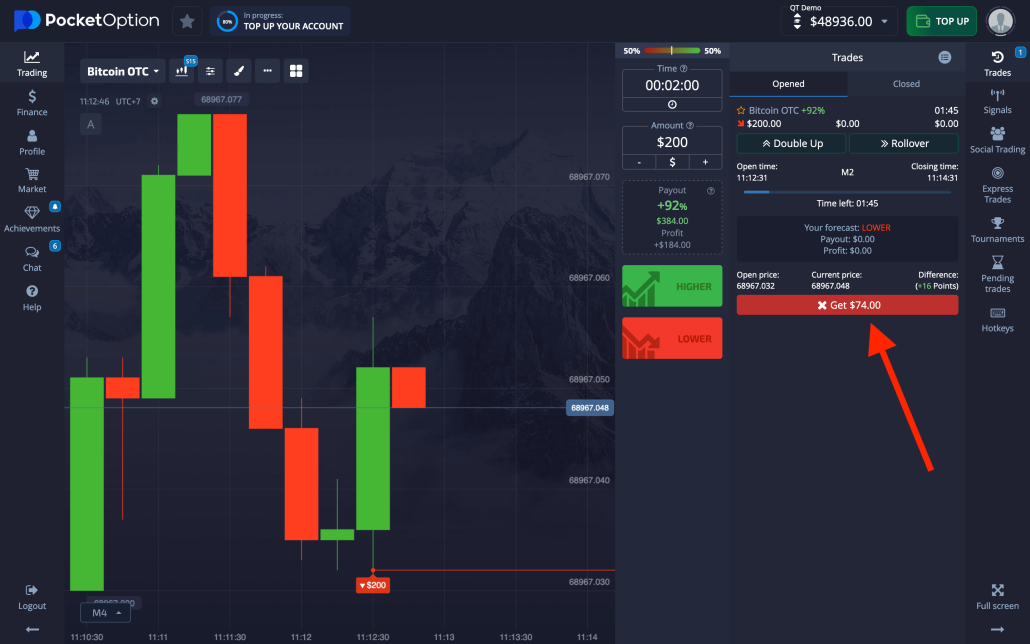
Successful Pocket Option traders often utilize various tools to enhance their trading experience and optimize their strategies. Some essential tools include:
1. Technical Analysis Tools
Utilizing technical analysis tools such as charts, indicators, and oscillators can significantly improve decision-making. Commonly used indicators include the Relative Strength Index (RSI), MACD, and Bollinger Bands, which provide insights into market conditions.
2. Economic Calendars
Keeping track of economic events and news releases through an economic calendar is crucial for traders employing news trading strategies. These calendars provide valuable information on upcoming events that could impact asset prices.
3. Demo Accounts
For new traders, using a demo account is an excellent way to practice trading without risking real money. Pocket Option offers a demo account with virtual funds, allowing traders to test strategies and familiarize themselves with the platform.
Risk Management in Trading
One of the most critical aspects of trading is risk management. To be a successful Pocket Option trader, it’s essential to put in place effective risk management strategies to safeguard your capital. Here are some tips:
- Set Stop-Loss Levels: Always have stop-loss levels in place to minimize potential losses on trades.
- Allocate a Fixed Percentage of Your Capital: Avoid risking more than a small percentage of your trading capital on any single trade.
- Never Chase Losses: Stick to your trading plan and avoid retaliatory trades after a loss.
- Evaluate Your Performance: Regularly review your trades and performance to identify areas for improvement.
Conclusion
Pocket Option traders have access to a versatile and user-friendly platform that offers ample opportunities for both beginner and experienced traders. By developing a solid understanding of trading strategies, utilizing essential tools, and implementing effective risk management practices, traders can enhance their chances of success in the binary options market. Remember, while trading can be profitable, it also involves significant risks, so continuous learning and adaptation are key to becoming a successful trader.
